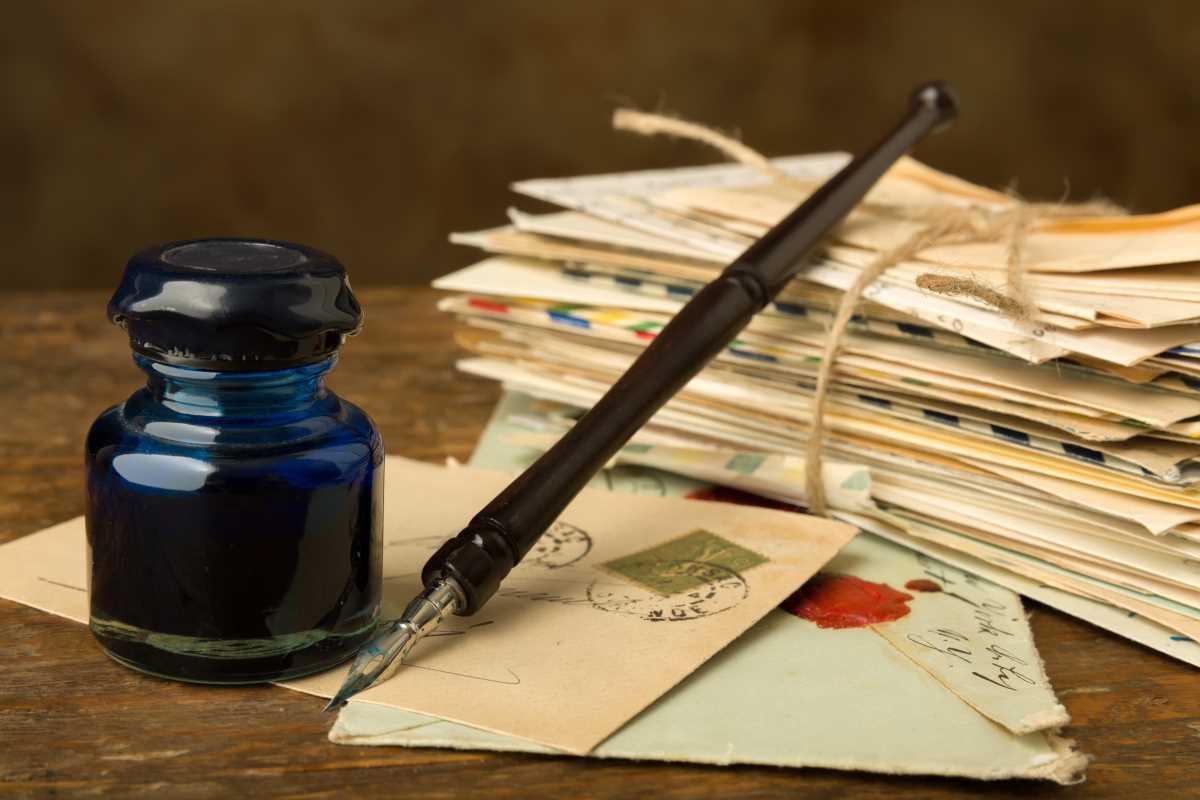
 (Image via
A text message can bring a smile, and an email can share important news in an instant, but a thoughtfully written letter holds a special kind of power. In our world of constant digital communication, taking the time to write a heartfelt letter has become a profound gesture of care and connection. It creates a tangible keepsake that can be held, reread, and cherished for years to come. You have the ability to create this meaningful experience for someone you care about. This guide is here to walk you through the simple joy of letter writing, offering practical tips to help you put your feelings into words and create a message that truly resonates.
Why Letters Still Matter
In a world filled with fleeting digital messages, a letter stands out because it requires time and intention. The act of sitting down to compose your thoughts shows the recipient that you are genuinely thinking of them. This simple investment of effort elevates your message, making it feel more significant than a quick text or a social media comment.
A physical letter becomes a treasured object. It can be tucked away in a special box, displayed on a desk, or pulled out on a difficult day for a boost of encouragement. The unique qualities of a handwritten note—the texture of the paper, the color of the ink, and the distinctiveness of your handwriting—create a multisensory experience that digital communication cannot replicate. It is a piece of you that you are sharing with someone else.
Digital letters, or thoughtfully composed emails, can also carry immense weight. An email written with the care and structure of a traditional letter can convey deep emotion and sincerity. It offers the benefit of instant delivery while still providing a space for longer, more reflective thoughts. The key is the intention behind the words, not just the medium.
Finding Your Starting Point
One of the biggest hurdles in letter writing is staring at a blank page. The pressure to be profound or poetic can be intimidating, but the most heartfelt letters are often the most simple and honest. You do not need to be a professional writer to express yourself genuinely.
Identify Your Purpose
Begin by asking yourself why you are writing this letter. Are you thanking someone for a kind gesture? Are you celebrating a milestone like a birthday or graduation? Are you offering support during a tough time? Or are you simply reaching out to let someone know you are thinking of them? Having a clear purpose will help you focus your thoughts and give your letter direction.
Choose Your Recipient
Think about the person you are writing to. What is your relationship with them? What do they mean to you? Picturing them in your mind as you write will help you find the right tone. Your voice will naturally change whether you are writing to a grandparent, a best friend, or a former teacher. Let your genuine feelings for that person guide your words.
The Simple Structure of a Heartfelt Letter
A good letter, like a good conversation, has a natural flow. Following a simple structure can help you organize your thoughts and ensure your message is clear and impactful. You can think of it as having a beginning, a middle, and an end.
The Opening: A Warm Welcome
Start your letter with a warm and personal greeting. "Dear [Name]," is a classic for a reason, but feel free to adjust it to fit your relationship. "Dearest Mom," "My Friend," or even just their name can work beautifully.
The first paragraph should set a friendly and inviting tone. You can mention why you decided to write, reference a recent conversation, or simply say that you were thinking of them. This eases the reader into your message and makes them feel seen. For example, you could start with something like, "I was walking past our favorite coffee shop today, and it made me think of you and our long chats there."
The Body: The Heart of Your Message
This is where you share the main content of your letter. Do not worry about crafting perfect sentences. Just write from the heart. Here are a few ideas to get you started:
- Share a Specific Memory: Recalling a shared memory is a powerful way to connect. Describe a moment you both experienced and explain why it is special to you. "I'll never forget the time we went hiking in the rain and got completely soaked. I was so miserable at the moment, but now I look back and laugh, and I’m so grateful for that adventure with you."
- Express Your Gratitude: Be specific about what you are thankful for. Instead of a general "thank you," try, "Thank you for listening to me on the phone for an hour last week. Your advice and support meant the world to me when I was feeling so lost."
- Highlight Their Qualities: Tell the person what you admire about them. Complimenting their kindness, resilience, humor, or intelligence is a beautiful way to lift them up. "I have always been inspired by your ability to stay positive, even when things get tough. You have a strength that I truly admire."
- Share a Little About Your Life: A letter is a two-way street. Share a brief update about what is going on in your life. This helps the other person feel connected to you, even from a distance. Talk about a new hobby, a book you are reading, or a challenge you are facing at work.
The Closing: A Fond Farewell
The end of your letter should wrap up your message with warmth. You can reiterate your main point, wish them well, or express your hope to see them soon. A simple sentence like, "Thinking of you always," or "I can't wait to catch up in person soon," works perfectly.
Choose a closing that reflects your relationship. "With love," "All the best," "Yours," or "Warmly," are all great options. Then, sign your name. Your signature is a personal touch that makes the letter uniquely yours.
Making Your Letter Personal and Impactful
Small details can turn a nice letter into an unforgettable one. These personal touches show that you put extra thought and care into your message.
Handwriting vs. Typing
There is no right or wrong answer here, but a handwritten letter often feels more personal. The imperfections of your handwriting make the letter feel human and authentic. It is a direct connection from your hand to theirs. You should not worry if your handwriting is not perfect. The effort is what counts.
A typed letter can be just as heartfelt. It is a great option if your handwriting is difficult to read or if you are sending a letter digitally. The key is to use a simple, clean font that is easy on the eyes. The warmth will come from your words, not the script.
Choosing Your Stationery
The paper you choose can add to the experience. For a handwritten note, you might select a beautiful stationery set, a simple card, or even a nice piece of printer paper. The physical medium becomes part of the gift.
For digital letters, consider the formatting. Use paragraphs to break up your text and make it easy to read. A well-structured email feels more thoughtful than one long, unbroken block of text.
Adding a Personal Touch
Including a small, flat item with your handwritten letter can be a delightful surprise. A photograph, a newspaper clipping of something that made you think of them, or a pressed flower can add another layer of meaning. It is a small gesture that says you went the extra mile.
Overcoming Writer's Block
Even with the best intentions, it can be hard to get the words flowing. Here are a few tips to help you push through writer's block:
- Just Start Writing: Give yourself permission to write a messy first draft. You can always go back and edit later. The most important step is getting your thoughts out of your head and onto the page.
- Use Prompts: If you are stuck, use a prompt to get started. Think about questions like, "What is my favorite thing about this person?" or "What is a lesson this person has taught me?" Answering these questions can form the foundation of your letter.
- Keep it Simple: Your letter does not have to be long or elaborate to be meaningful. A short, sincere note can be just as powerful as a multi-page letter. The quality of your sentiment matters more than the quantity of your words.