.jpg) (Image source: Midjourney)
(Image source: Midjourney) Embarking on a journey of recovery, whether from addiction, mental health challenges, or toxic patterns, is a profound act of self-care. It is a path toward a healthier, more authentic life. This process often involves significant personal change, which can ripple outward and affect your relationships. One of the most painful and unexpected parts of this journey can be the realization that some friendships may not survive your growth. Letting go of people you care about is difficult, but it is sometimes a necessary step to protect your progress. This article will help you navigate this challenging experience, offering guidance on why this happens and how to cope.
Why Recovery Can Change Your Friendships
Recovery is a transformative process. You are changing your habits, your mindset, and the very way you interact with the world. These changes can create a fundamental disconnect with friends who are still rooted in the old dynamics. Understanding why these shifts happen can help you process the loss with more clarity and less self-blame.
Your Priorities and Values Shift
The core of recovery is re-evaluating what is important to you. Your focus might shift to health, stability, and emotional well-being. Activities that once bonded you with your friends, such as partying, gossiping, or engaging in other unhealthy behaviors, may no longer align with your new values. This change in priorities can create a natural distance. Your new lifestyle might seem boring or judgmental to friends who have not changed, while their lifestyle may feel threatening or draining to you.
Your Boundaries Become Non-Negotiable
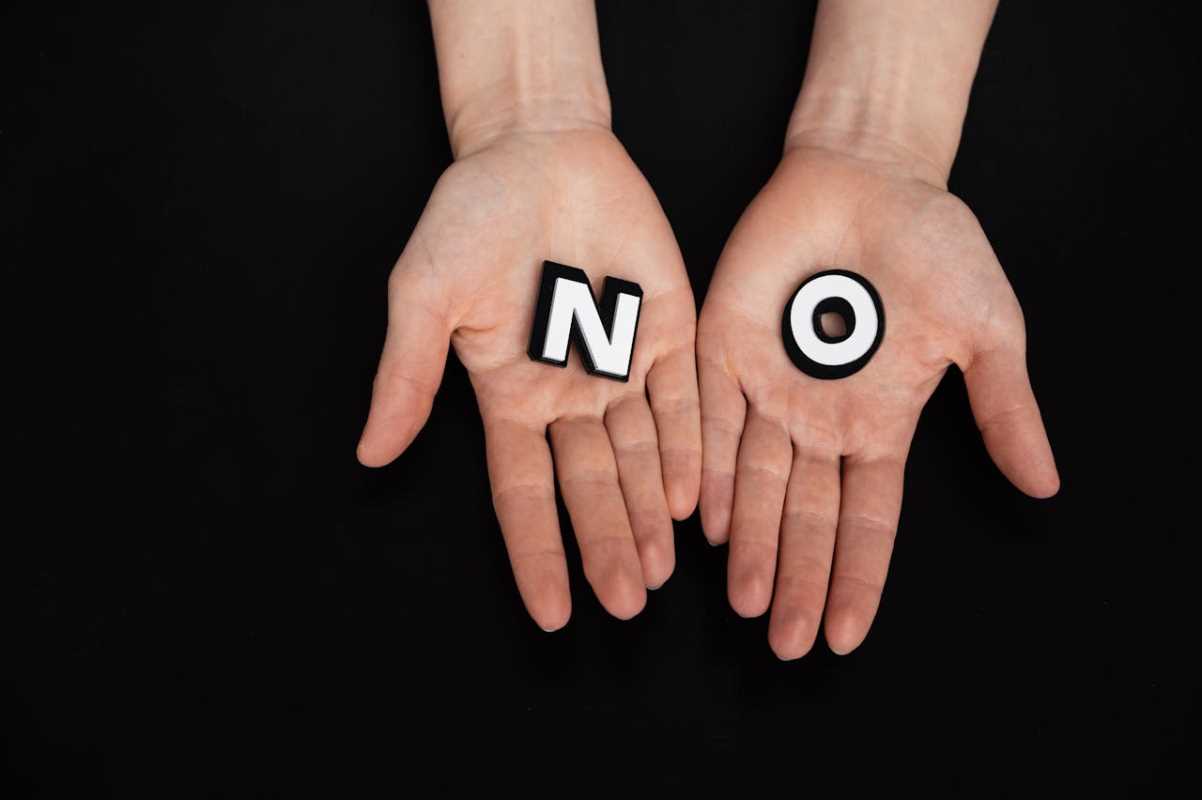
A key part of healing is learning to set and enforce healthy boundaries. You learn to say "no" to things that threaten your sobriety, peace of mind, or emotional safety. Some friends may respect and adapt to these new boundaries. Others might feel rejected or controlled by them. They may be used to a version of you who was more accommodating or who participated in activities you now avoid. Their resistance to your boundaries is often a sign that the friendship was not built on mutual respect.
Your Growth Can Feel Threatening to Others
Your positive changes can unintentionally shine a light on the unhealthy habits of those around you. Your recovery might make a friend feel uncomfortable about their own choices. Instead of being inspired, they may feel judged or left behind. This can lead them to react defensively by trying to sabotage your progress, downplaying your achievements, or distancing themselves. Their reaction is not about you; it is a reflection of their own internal struggles.
Signs a Friendship May Not Survive Your Recovery
It can be hard to accept that a friendship is no longer healthy for you. Recognizing the signs can empower you to make conscious decisions about who deserves a place in your life moving forward.
They Encourage Old Behaviors
A clear red flag is a friend who consistently tempts you with the very behaviors you are trying to leave behind. They might pressure you to have "just one drink," invite you to triggering environments, or try to pull you back into old, negative ways of thinking. These actions show a lack of respect for your journey and your well-being. A supportive friend wants to see you succeed, not stumble.
They Minimize Your Progress
Some friends may not actively sabotage you, but they fail to acknowledge your hard work. They might change the subject when you talk about your recovery, make jokes about your new lifestyle, or act as if nothing has changed. This invalidation can be subtle but deeply hurtful. It signals that they do not see or value the immense effort you are putting into becoming a better version of yourself.
The Relationship Feels Draining
Pay attention to how you feel after spending time with someone. Do you feel uplifted and energized, or do you feel exhausted, anxious, or resentful? A friendship that consistently drains your emotional energy is not a sustainable one, especially during recovery when your resources are focused on healing. Healthy relationships should replenish you, not deplete you.
How to Cope with Losing Friends During Recovery
Losing friendships is a form of grief. It is essential to allow yourself to feel the sadness and process the loss in a healthy way. Here are some strategies to help you navigate this difficult transition.
1. Acknowledge Your Feelings
It is okay to feel sad, angry, or lonely. You are grieving the loss of a shared history and a future you once imagined with that person. Pushing these feelings away will only make them stronger. Allow yourself to mourn the friendship. You can write about your feelings in a journal, talk to a therapist, or confide in a trusted loved one. Honoring your emotions is a vital part of the healing process.
2. Remind Yourself of Your "Why"
When the pain of losing a friend feels overwhelming, reconnect with the reasons you started your recovery journey. Remind yourself of your goals and the healthier, happier life you are building. Your well-being has to be your top priority. Sometimes, that means making difficult choices to protect your progress. This is not selfish; it is an act of survival and self-love. You are choosing your future over a connection that is holding you in the past.
3. Focus on Nurturing Healthy Connections
As some friendships fade, you create space for new, healthier ones to grow. Invest your energy in the people who do support your journey. This could be family members, old friends who have embraced your changes, or new friends you meet in support groups or through new hobbies. Look for relationships built on mutual respect, encouragement, and shared positive values. These connections will become the foundation of your new support system.
4. Communicate Your Needs Clearly
For friendships that seem to be on the fence, clear communication can sometimes make a difference. Have an honest conversation with your friend. Explain what your recovery means to you and what you need from them. You could say something like, "My sobriety is really important to me, and I can't be in situations where there's heavy drinking right now. I'd love to find other ways to spend time together, like going for a hike or grabbing coffee." Their response will tell you everything you need to know about the future of the friendship.
5. Find New Communities
Joining groups centered around your new interests or recovery goals is a fantastic way to meet like-minded people. This could be a 12-step program, a group therapy session, a fitness class, a book club, or a volunteer organization. Being around people who are on a similar path can combat feelings of isolation. These communities provide a sense of belonging and understanding that is incredibly powerful during a period of major life change.
Embracing a New Chapter
Letting go of friendships is one of the hardest parts of recovery, but it is also a sign of immense growth. It shows that you are committed to building a life that is authentic and aligned with your well-being. You are learning that the quality of your connections is more important than the quantity. Surround yourself with people who celebrate your progress and respect your journey. While the process may be painful now, you are clearing the path for deeper, more meaningful relationships that will support the person you are becoming.