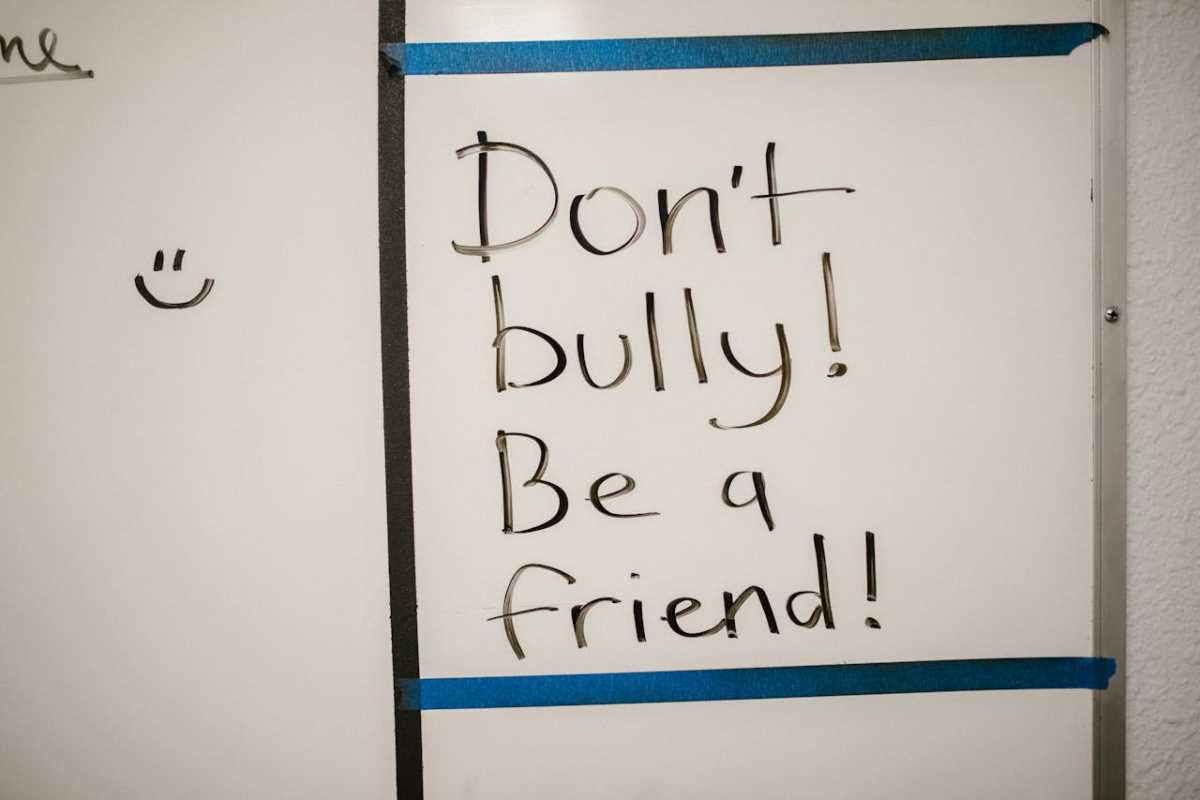
 (Image via
Workplace bullying is a serious issue that can impact your mental health, job satisfaction, and overall well-being. It creates a toxic environment that harms not just the individual but the entire team's productivity and morale. Understanding what constitutes bullying is the first step toward addressing it. This behavior goes beyond a simple disagreement or occasional conflict; it is a repeated pattern of harmful actions intended to intimidate, offend, or humiliate a person. Recognizing and confronting this behavior is crucial for creating a safe and respectful professional space for everyone. You deserve to work in an environment where you feel valued and secure. This guide offers practical and effective strategies to help you navigate and resolve these difficult situations.
Understanding Workplace Bullying
Defining workplace bullying is key to identifying it correctly. It is not a one-time negative interaction or a manager giving constructive feedback. Bullying is persistent, negative behavior directed at an employee by one or more colleagues. This can include verbal abuse, social exclusion, professional sabotage, or physical intimidation. The actions are often subtle and can escalate over time, making them difficult to pinpoint initially.
Common Examples of Bullying
Bullying can take many forms. Recognizing these behaviors helps you understand that what you are experiencing is not your fault and requires action.
- Verbal Abuse: This includes constant criticism, belittling comments, name-calling, yelling, or spreading malicious rumors. A bully might mock your ideas in meetings or make sarcastic remarks about your performance in front of others.
- Social Exclusion: Intentionally leaving someone out of team activities, meetings, or important conversations is a form of social bullying. This behavior is designed to isolate you and make you feel like an outsider.
- Professional Sabotage: A bully might deliberately withhold important information, assign you impossible tasks with unrealistic deadlines, or take credit for your work. Their goal is to undermine your ability to succeed in your role.
- Intimidation: This can involve aggressive gestures, invading your personal space, or making veiled threats. Even non-physical actions that create a sense of fear are a form of intimidation.
These behaviors create a hostile work environment and should not be tolerated. Knowing these signs empowers you to name the problem and begin seeking a solution.
Actionable Steps to Address Bullying
Taking action against a bully can feel daunting, but you have options. The following steps provide a clear path to help you regain control and work toward a resolution.
1. Document Everything
Solid documentation is your most powerful tool. Keep a detailed, private log of every incident. For each entry, you should record specific information to build a clear and credible record of the bullying behavior.
- Date and Time: Note the exact date and time each incident occurred.
- Location: Specify where the event took place, such as in the breakroom, a meeting, or via email.
- People Involved: List everyone who was present, including the bully and any witnesses.
- Detailed Description: Write down exactly what happened and what was said. Use direct quotes whenever possible. Describe the bully's actions and your response.
- Impact on You: Note how the incident made you feel and how it affected your work. For example, "This made me feel anxious and unable to focus on my report for the rest of the day."
Keep this log in a secure place outside of your work computer, like a personal journal or a private document on your home computer. Save any relevant emails, messages, or other digital evidence.
2. Review Company Policies
Your next step is to familiarize yourself with your employer's official policies. Most companies have an employee handbook that outlines procedures for handling workplace conflicts and misconduct.
Look for sections on:
- Code of Conduct
- Anti-Harassment or Anti-Bullying Policies
- Grievance or Complaint Procedures
These documents will explain the formal steps for reporting an issue and what you can expect from the company in response. Understanding the established process shows that you are approaching the situation professionally and gives you a clear roadmap to follow. It also helps you know who to contact, whether it is your direct manager, the Human Resources department, or a designated ethics officer.
3. Seek Support from Trusted Colleagues
You do not have to face this situation alone. Confiding in a trusted colleague, mentor, or even a friend or family member can provide much-needed emotional support. Sharing your experience can help validate your feelings and reduce feelings of isolation.
A coworker who has witnessed the behavior can be an important ally. They may be able to offer their perspective or even support your claims if you decide to make a formal report. However, be selective about whom you trust. Choose someone who is discreet and supportive. Their encouragement can give you the confidence to move forward.
4. Practice Assertive Communication
When you feel ready, you may choose to confront the bully directly. This approach is not suitable for every situation, especially if you fear escalation or feel unsafe. An assertive, calm, and professional response can sometimes be effective in stopping the behavior.
Use "I" statements to express how the behavior affects you without sounding accusatory. For example, say "I feel undermined when my contributions are dismissed in team meetings," instead of "You always dismiss my ideas."
Set clear boundaries. You can say something like, "Please do not speak to me in that tone. I expect to be treated with respect." Practice what you want to say beforehand so you can deliver it confidently. The goal is not to start an argument but to state that the behavior is unacceptable and must stop.
Formal Reporting and Escalation
Direct confrontation may not work or be appropriate. In these cases, you will need to escalate the issue through formal channels. Your documentation will be essential during this stage.
Reporting to Human Resources
The HR department is trained to handle these types of complaints. Schedule a private meeting and bring your detailed log of incidents.
- Be Professional: Present your case calmly and factually. Stick to the documented events and avoid emotional language.
- State Your Desired Outcome: Be clear about what you want to happen. You might request mediation, for the behavior to stop, or for the bully to be moved to a different team.
- Follow Up in Writing: After your meeting, send a follow-up email summarizing your conversation and the agreed-upon next steps. This creates a paper trail and confirms your discussion.
Involving Your Manager
Your direct manager can be a valuable resource, provided they are not the bully. A supportive manager can intervene on your behalf or guide you through the company's reporting process. Approach them with the same professionalism and documentation as you would with HR.
Prioritizing Your Well-being
Dealing with workplace bullying takes a significant toll on your mental and emotional health. It is crucial to prioritize self-care throughout this process.
- Set Boundaries: Learn to disconnect from work at the end of the day. Avoid checking emails or thinking about the situation after hours.
- Engage in Hobbies: Spend time on activities you enjoy that help reduce stress, such as exercise, reading, or spending time with loved ones.
- Seek Professional Help: Consider speaking with a therapist or counselor. They can provide coping strategies and a safe space to process your emotions. Many companies offer an Employee Assistance Program (EAP) that provides free, confidential counseling services.
Remember, your health and safety come first. No job is worth sacrificing your well-being. Addressing workplace bullying is a courageous step toward creating a healthier, more respectful professional life for yourself and others.